
Mast — a CSS framework for Webflow

Battery Energy Engineers

Battery Engineers design, develop, and test the electrical systems and battery technologies used in energy storage and electric vehicles. They work on advancing battery performance, efficiency, and safety — playing a key role in the clean energy transition.

*Labor data for emerging careers is often limited. Data referenced from Fuel Cell Engineers: SOC 17-2141.01 at the California State level.
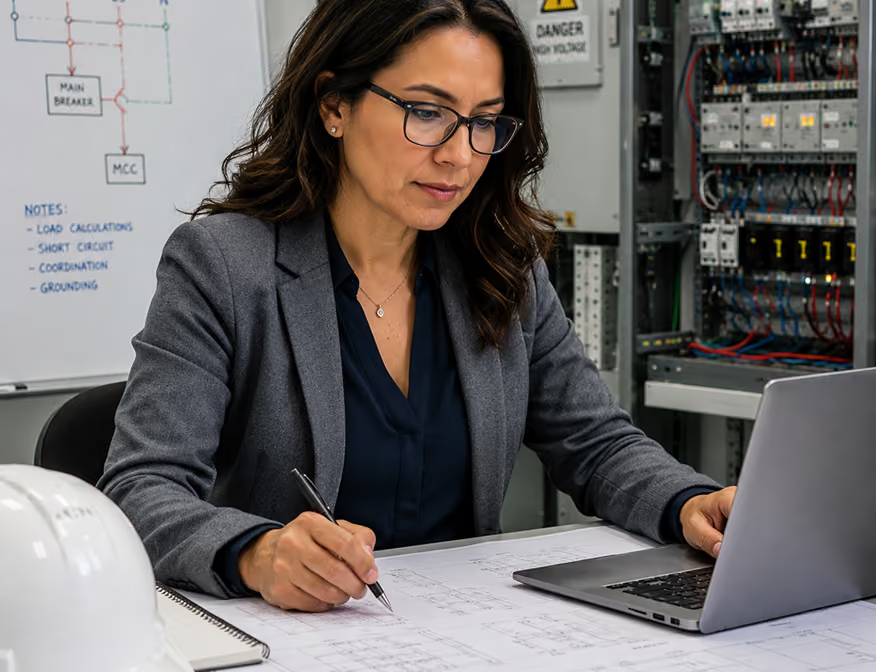
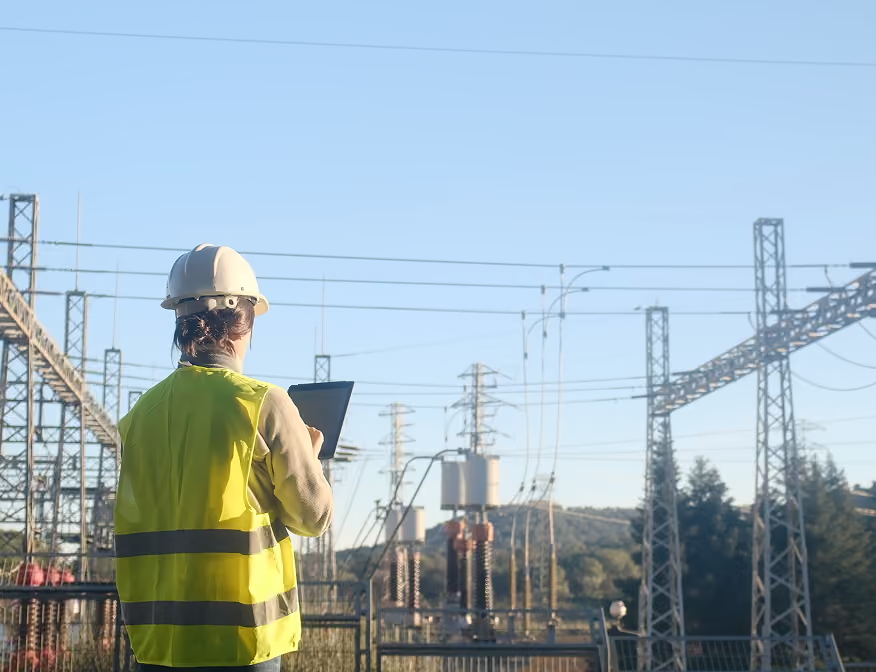
Career Snapshot:

Wage Text Here

per year*

Mid to Senior Level

Energy, Utilities, & Infrastructure

*Estimates are not to be used as fact. Based on publicly available sources.

The Path to Becoming

a(n)

Battery Energy Engineers

Step 1

Earn

a(n)

Bachelor’s degree (BA, BS)

Field of Study:

Electrical Engineering or related field

Resources:

No additional resources

Step 2

Earn a Postsecondary Certificate

Required Training:

Standards Occupational Classifications (SOC) code

SOC 17-2199.03
SOC Code

Long-term on-the-job training

Training Programs and Resources:

Electric Power Technology AS
training

-

San Bernardino Valley College
Engineering Technician
training

-

Copper Mountain College
Programs
training

-

Center for Employment Training (CET)
Automotive Clean Vehicle
training

-

San Bernardino Valley College
Programs
training

-

Universal Technical Institute

Daily Tasks

A Day in the Life

As

a(n)

Battery Energy Engineers

you can expect to perform these tasks frequently:

Design, develop, and test electrical equipment and systems Coordinate installation and testing of electrical systems Install, maintain, and repair electrical and electronic equipment Test and evaluate system performance Troubleshoot and diagnose system issues

    Required skills:

    What It Takes

    Battery Energy Engineers

    often have these skills:

    Electrical Systems Knowledge

    -

    Understanding electrical systems, components, and equipment including how to troubleshoot and repair them.

    Troubleshooting

    -

    Determining causes of operating errors and deciding what to do about them.

    Critical Thinking

    -

    Using logic and reasoning to identify strengths and weaknesses of solutions and decide the best approach.

    Battery System Design & Integration

    -

    Supporting the design and configuration of battery storage systems, including controls, safety systems, and grid interconnection.

    Preventive Maintenance & Repair

    -

    Conducting inspections, servicing components, and repairing battery modules and associated equipment.

    Safety & Compliance Awareness

    -

    Applying standards and protocols for high-voltage systems, thermal management, and hazardous materials handling.

    Technical Communication

    -

    Communicating complex technical information clearly to both technical and non-technical audiences.

    Find careers that fit your skillset

    Button

    Career Outlook

    27700

    Employees in

    2022

    31700

    Employees in

    2032

    +
    14%

    Projected
    Growth Rate

    2020

    Annual Projected
    Job Openings

    Related Occupations

    Other paths to consider:

    Button

    Need help narrowing it down?

    Take the Career Quiz
    Learn more