Electrical and electronic engineering technicians apply electrical and electronic theory to help design, build, test, and maintain a wide range of systems and equipment. Working under the direction of engineers, they support the development and improvement of circuitry, controls, and machinery used across industries such as energy, manufacturing, and utilities. Their work ensures systems operate efficiently, safely, and reliably, playing a key role in both traditional infrastructure and emerging technologies.

Electronics & Electrical Technology
Career Snapshot:
Wage Text Here
per year*
Entry to Senior Level
Manufacturing & Industrial Systems
*Estimates are not to be used as fact. Based on publicly available sources.
The Path to Becoming
a(n)
Electronics & Electrical Technology
Step 1
Earn
a(n)
Associate degree (AA, AS)
Resources:
No additional resources
Step 2
Earn a Postsecondary Certificate
Required Training:
Standards Occupational Classifications (SOC) code
SOC 17-3023
SOC Code
Training Programs and Resources:
Step 3
Find a position or apprenticeship
Required Training:
This career typically involves
1 year on-the-job training
Find your next role
Related Positions:
Daily Tasks
A Day in the Life
As
a(n)
Electronics & Electrical Technology
you can expect to perform these tasks frequently:
Required skills:
What It Takes
Electronics & Electrical Technology
often have these skills:
Reading Comprehension
-
Understanding written sentences and paragraphs in work-related documents.
Troubleshooting
-
Determining causes of operating errors and deciding what to do about them.
Systems Analysis
-
Determining how a system should work and how changes in conditions, operations, and environments will affect outcomes.
Equipment Maintenance
-
Performing routine servicing and determining when and what kind of maintenance is needed.
Find careers that fit your skillset
Career Outlook
590
Employees in
2023
630
Employees in
2033
+
6.8%
Projected
Growth Rate
600
Annual Projected
Job Openings
Related Occupations
Other paths to consider:
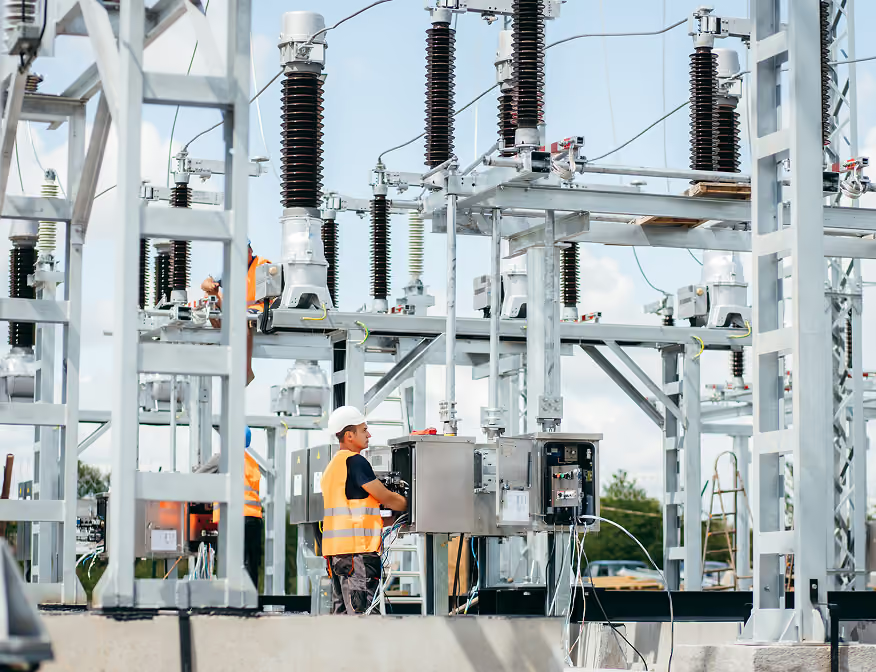
Substation Technician / Electrical Repairer
Wage Text
Mid Level
Maintenance, Repair, & Operations

Energy Grid Specialist
Wage Text
Entry to Mid Level
Energy, Utilities, & Infrastructure

Mechatronics / Electro-Mechanical Technician
Wage Text
Mid to Senior Level
Manufacturing & Industrial Systems

Automotive Service Technicians and Mechanics
Wage Text
Entry to Mid Level
Maintenance, Repair, & Operations
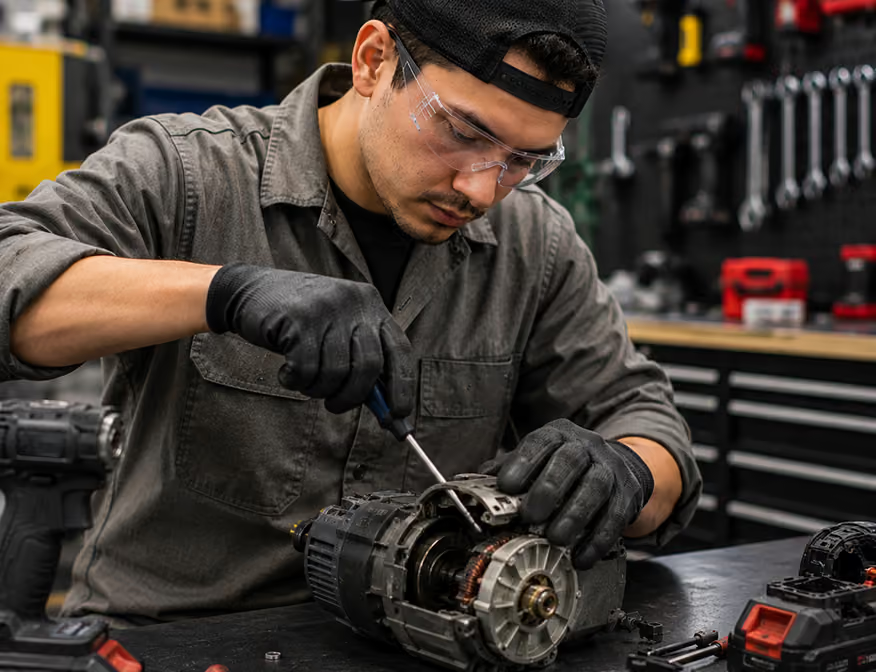
Battery Electric Motor, Power Tool and Related Repairers
Wage Text
Entry to Mid Level
Energy, Utilities, & Infrastructure

Battery Energy Engineers
Wage Text
Mid to Senior Level
Energy, Utilities, & Infrastructure
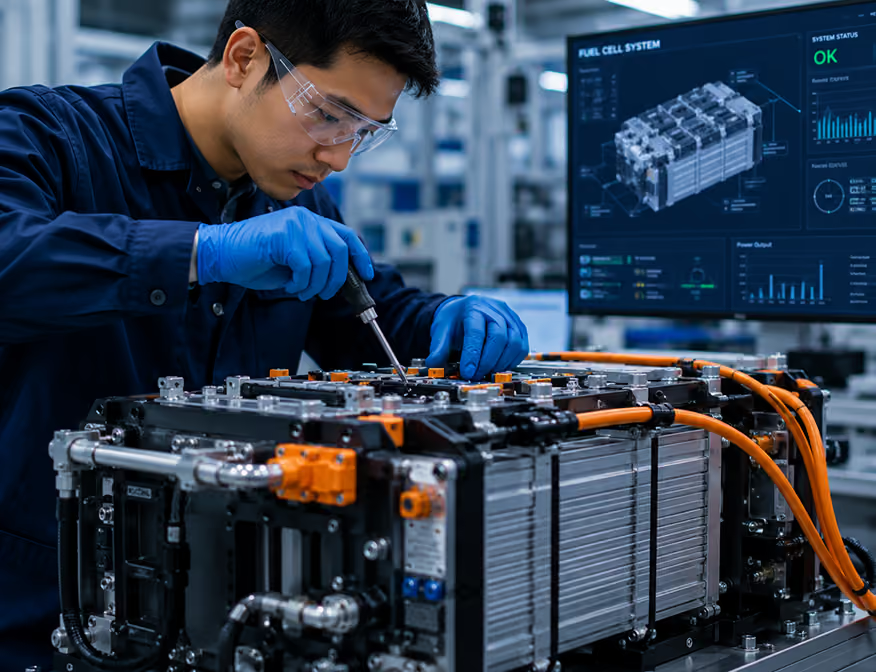
Battery Fuel Cell Engineers
Wage Text
Mid to Senior Level
Energy, Utilities, & Infrastructure
Need help narrowing it down?
Learn more