HVAC installers set up and repair heating, ventilation, air conditioning, and refrigeration systems in homes, businesses, and industrial settings. They install equipment such as central air systems, furnaces, oil burners, and heating units, ensuring everything operates safely and efficiently. Their work plays a key role in maintaining indoor comfort, energy efficiency, and reliable climate control.
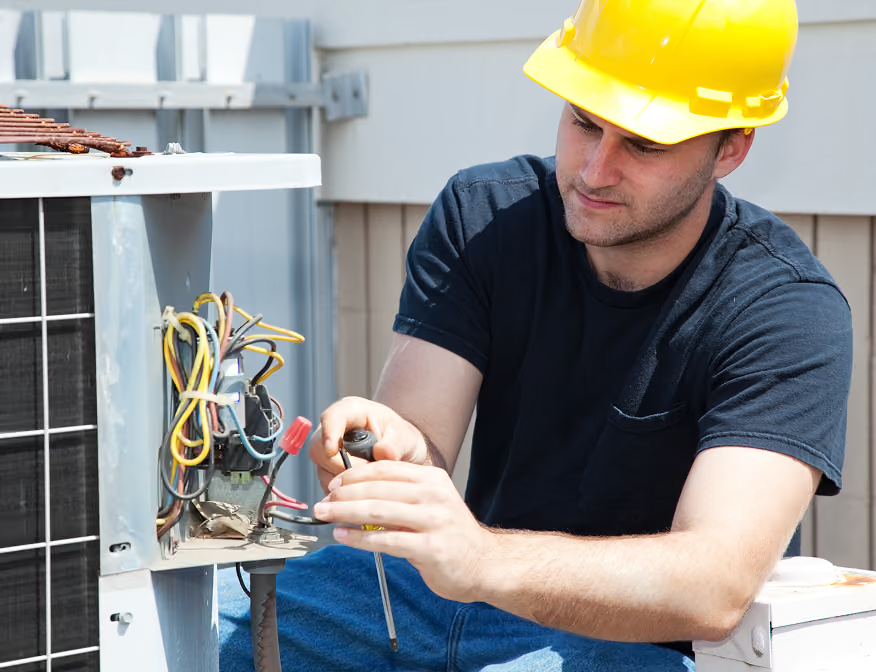
HVAC Installer
Career Snapshot:
Wage Text Here
per year*
Entry Level
Maintenance, Repair, & Operations
*Estimates are not to be used as fact. Based on publicly available sources.
The Path to Becoming
a(n)
HVAC Installer
Step 1
Earn
a(n)
High School Diploma or GED
Step 2
Earn a Postsecondary Certificate
Required Training:
Standards Occupational Classifications (SOC) code
SOC 49-9021
SOC Code
Training Programs and Resources:
Step 3
Find a position or apprenticeship
Required Training:
This career typically involves
More than 1 year on-the-job training
Find your next role
Related Positions:
Daily Tasks
A Day in the Life
As
a(n)
HVAC Installer
you can expect to perform these tasks frequently:
Required skills:
What It Takes
HVAC Installer
often have these skills:
Operations Monitoring
-
Watching gauges, dials, or display screens to make sure a machine or system is working correctly.
Troubleshooting
-
Determining causes of operating errors and deciding what to do about them.
Critical Thinking
-
Using logic and reasoning to identify strengths and weaknesses of solutions and decide the best approach.
Reading Comprehension
-
Understanding written sentences and paragraphs in work-related documents.
Installation
-
Installing equipment, machines, wiring, or programs to meet required specifications.
Repairing
-
Repairing machines or systems using the right tools and technical knowledge.
Find careers that fit your skillset
Career Outlook
5700
Employees in
2023
6670
Employees in
2033
+
17.00%
Projected
Growth Rate
6130
Annual Projected
Job Openings
Related Occupations
Other paths to consider:
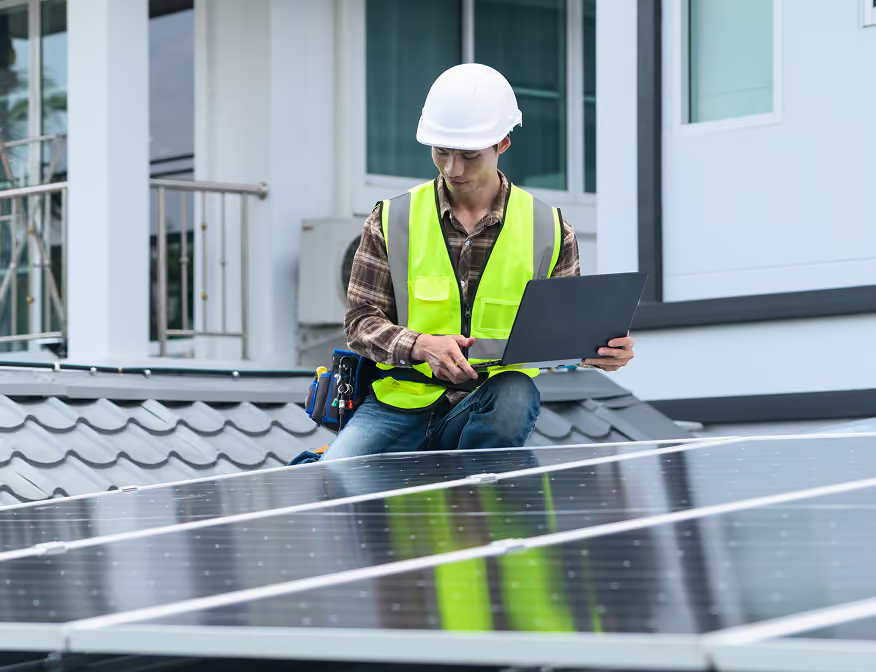
Energy Auditor
Wage Text
Mid Level
Clean Energy & Sustainability
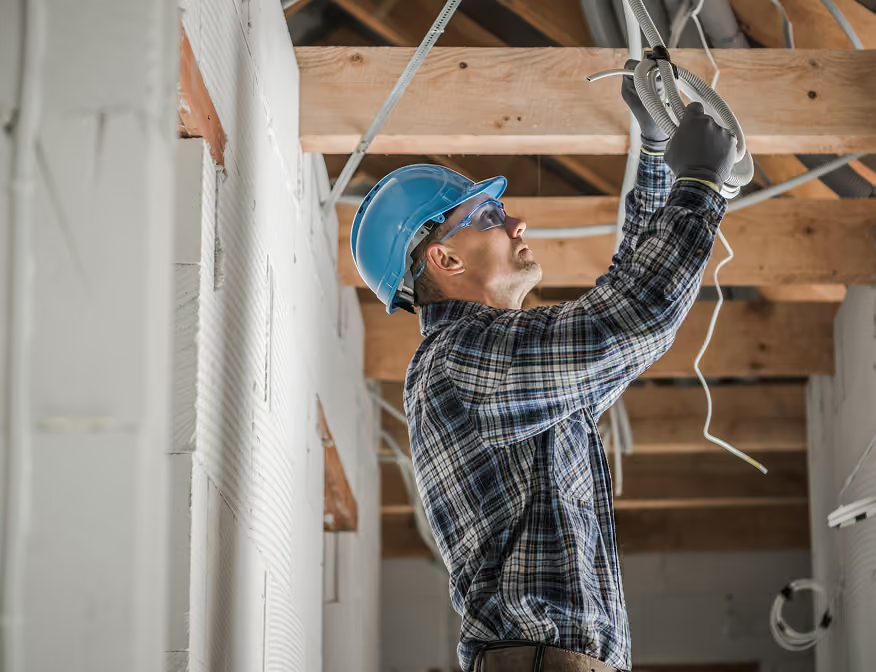
Electrician
Wage Text
Entry to Senior Level
Construction & Building Systems
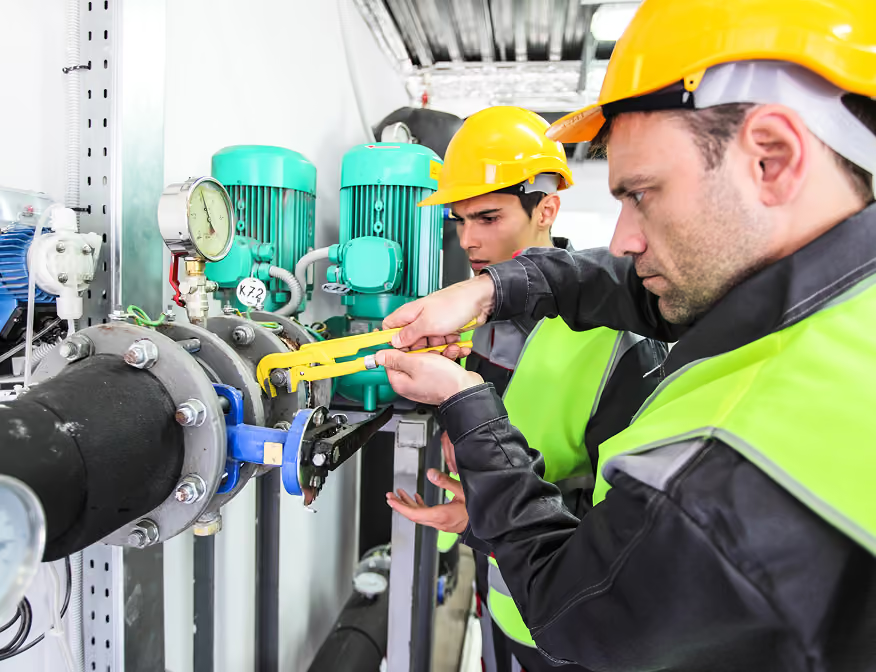
Plumber, Pipefitter & Steamfitter
Wage Text
Entry to Mid Level
Construction & Building Systems

Green Building Designer
Wage Text
Mid Level
Clean Energy & Sustainability
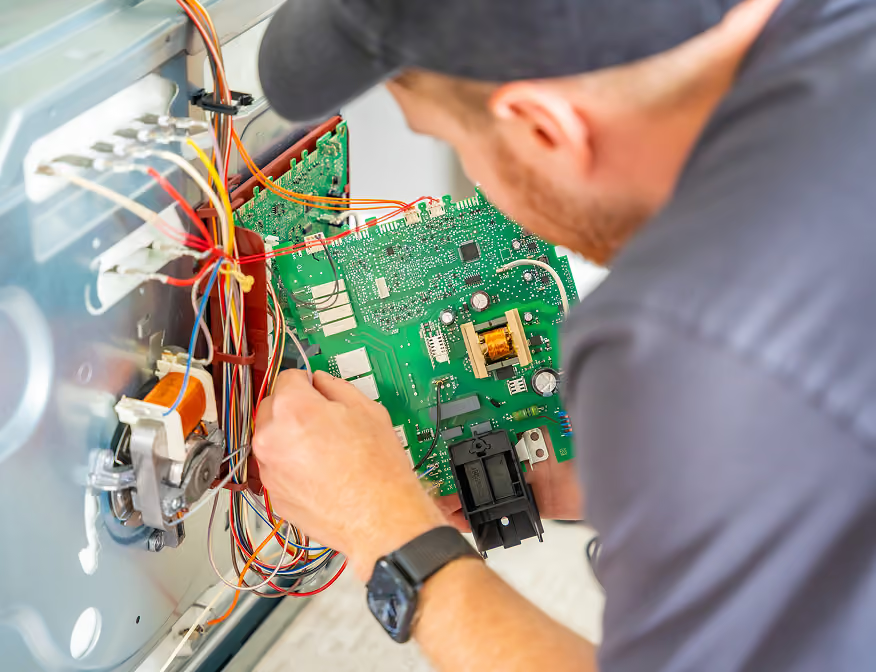
Electronic Equipment Installers and Repairers, Motor Vehicles
Wage Text
Entry to Mid Level
Maintenance, Repair, & Operations
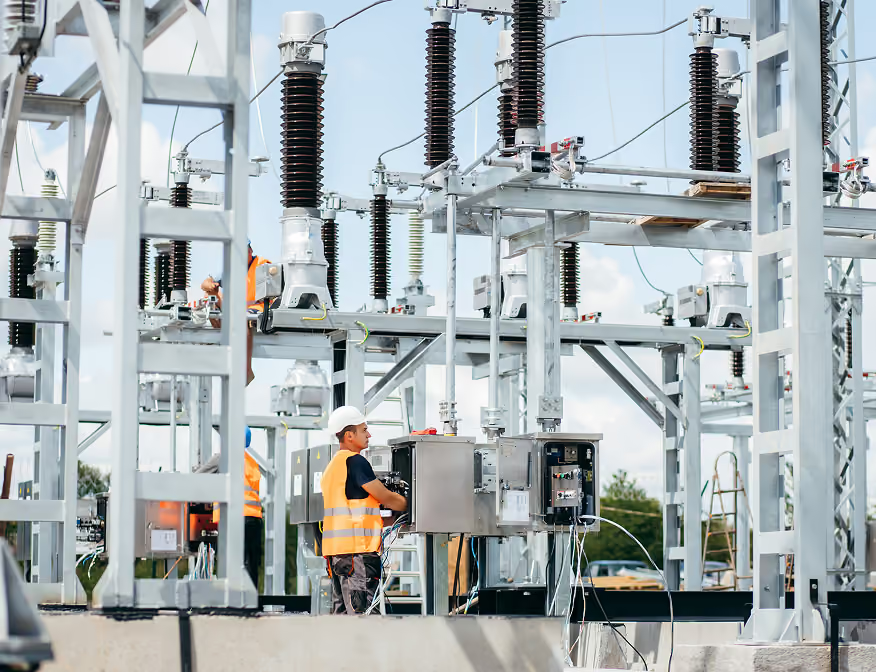
Substation Technician / Electrical Repairer
Wage Text
Mid Level
Maintenance, Repair, & Operations
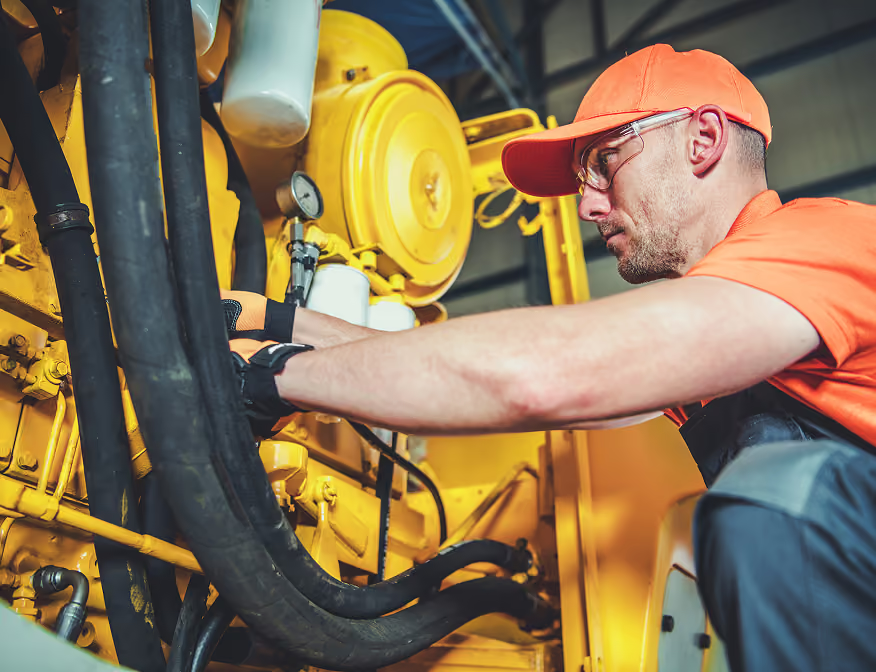
Maintenance & Mechanical Repairer
Wage Text
Mid Level
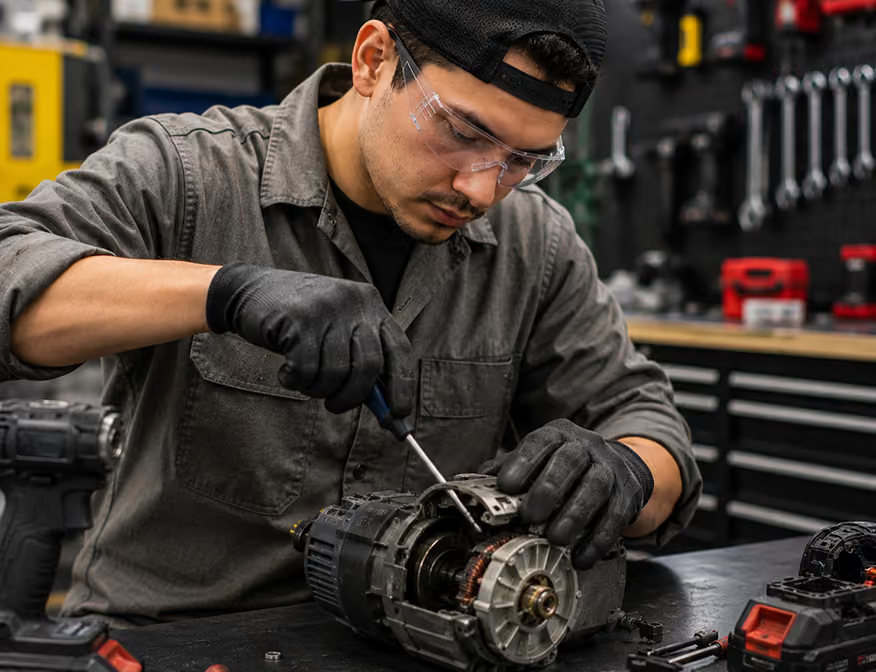
Battery Electric Motor, Power Tool and Related Repairers
Wage Text
Entry to Mid Level
Energy, Utilities, & Infrastructure
Need help narrowing it down?
Learn more