Industrial Machinery Mechanics maintain and repair the equipment that keeps energy systems running, working in environments like power plants, refineries, and pipeline operations. They install, adjust, and troubleshoot machinery such as turbines, pumps, and compressors, ensuring systems operate safely and efficiently. By following technical plans to move or upgrade heavy equipment and quickly resolving mechanical issues, they help minimize downtime and support the reliable production and distribution of energy.
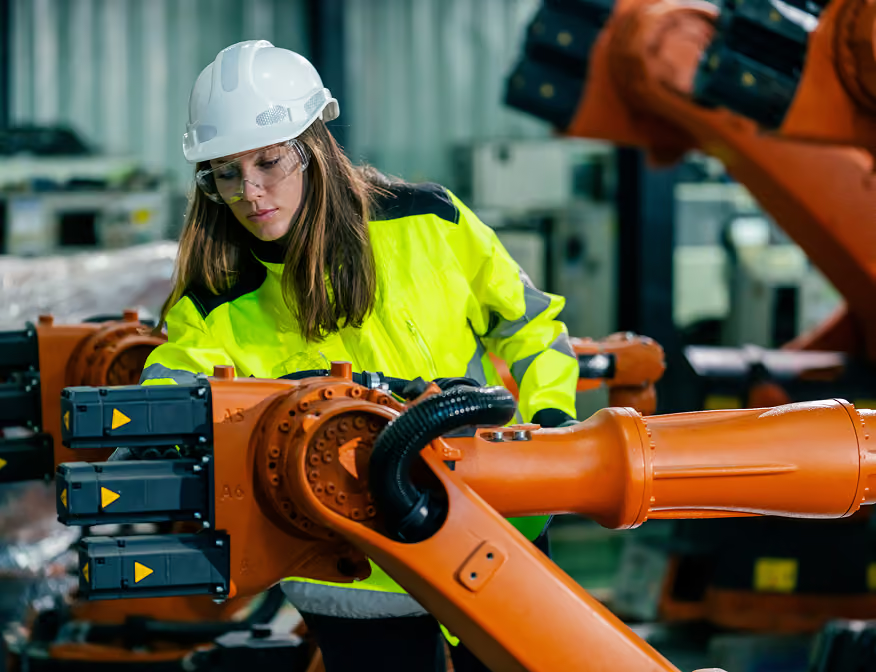
Industrial Machinery Mechanics
Career Snapshot:
Wage Text Here
per year*
Mid to Senior Level
Manufacturing & Industrial Systems
*Estimates are not to be used as fact. Based on publicly available sources.
The Path to Becoming
a(n)
Industrial Machinery Mechanics
Step 1
Earn
a(n)
High School Diploma or GED
Step 2
Earn a Postsecondary Certificate
Required Training:
Standards Occupational Classifications (SOC) code
SOC 49-9041
SOC Code
Training Programs and Resources:
Step 3
Find a position or apprenticeship
Required Training:
This career typically involves
Find your next role
Related Positions:
Daily Tasks
A Day in the Life
As
a(n)
Industrial Machinery Mechanics
you can expect to perform these tasks frequently:
Required skills:
What It Takes
Industrial Machinery Mechanics
often have these skills:
Equipment Maintenance
-
Performing routine servicing and determining when and what kind of maintenance is needed.
Troubleshooting
-
Determining causes of operating errors and deciding what to do about them.
Repairing
-
Repairing machines or systems using the right tools and technical knowledge.
Operation and Control
-
Controlling operations of equipment or systems, including tools, machinery, and processes.
Quality Control Analysis
-
Conducting tests and inspections to evaluate quality or performance of products, services, or systems.
Critical Thinking
-
Using logic and reasoning to identify strengths and weaknesses of solutions and decide the best approach.
Mechanical Knowledge
-
Knowledge of machines and tools, including their designs, uses, repair, and maintenance.
Find careers that fit your skillset
Career Outlook
2910
Employees in
2023
3500
Employees in
2033
+
20.30%
Projected
Growth Rate
3070
Annual Projected
Job Openings
Related Occupations
Other paths to consider:
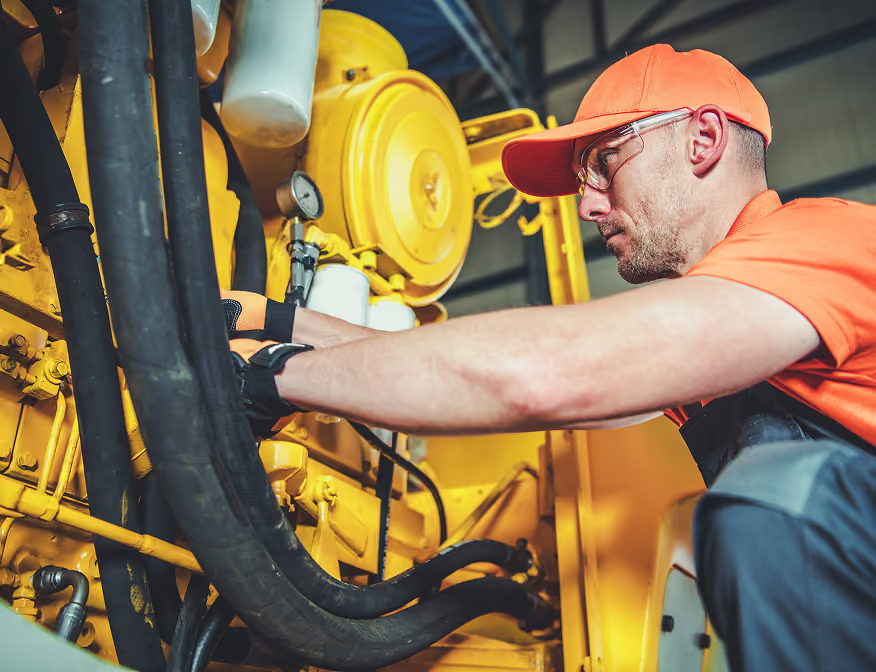
Maintenance & Mechanical Repairer
Wage Text
Mid Level
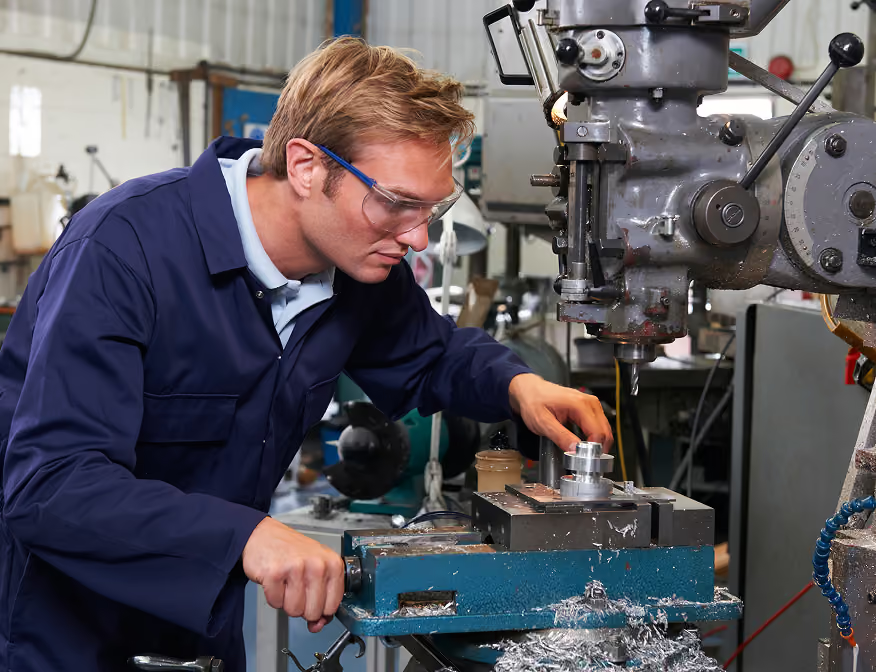
Machinist
Wage Text
Entry to Senior Level
Manufacturing & Industrial Systems
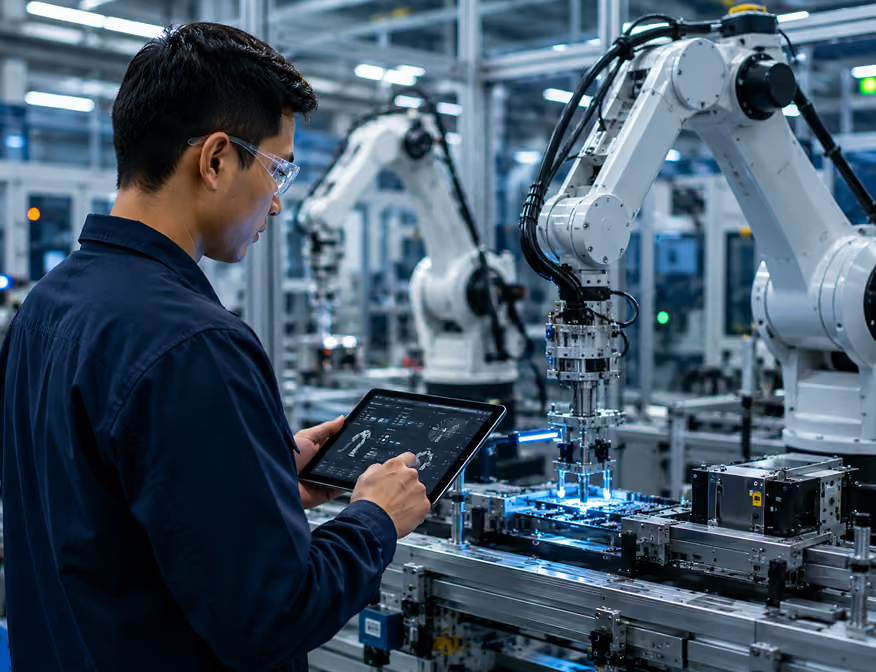
Mechatronics / Electro-Mechanical Technician
Wage Text
Mid to Senior Level
Manufacturing & Industrial Systems
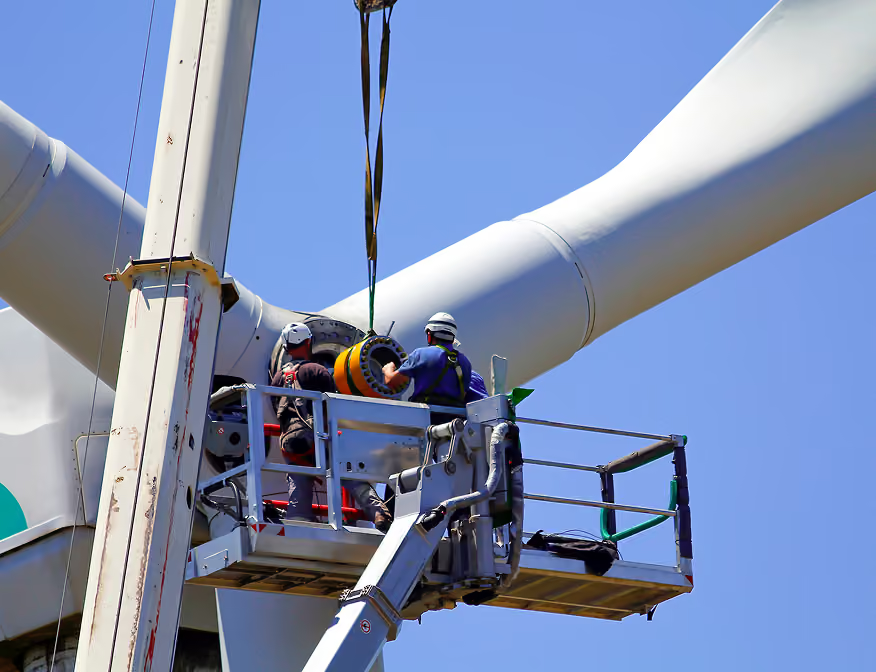
Wind Turbine Technician
Wage Text
Entry Level
Clean Energy & Sustainability

Hydroelectric Plant Technician
Wage Text
Mid Level
Energy, Utilities, & Infrastructure
Need help narrowing it down?
Learn more