Manufacturing and machining professionals in the energy sector produce and refine precision metal components used in systems such as power generation, renewable energy equipment, and industrial infrastructure. They set up and operate advanced machine tools to fabricate, modify, and repair parts, while applying knowledge of mechanics, materials, and machining processes. These roles also involve improving manufacturing systems and collaborating with engineers and designers to enhance efficiency, reduce costs, and ensure components meet the performance demands of modern energy technologies.
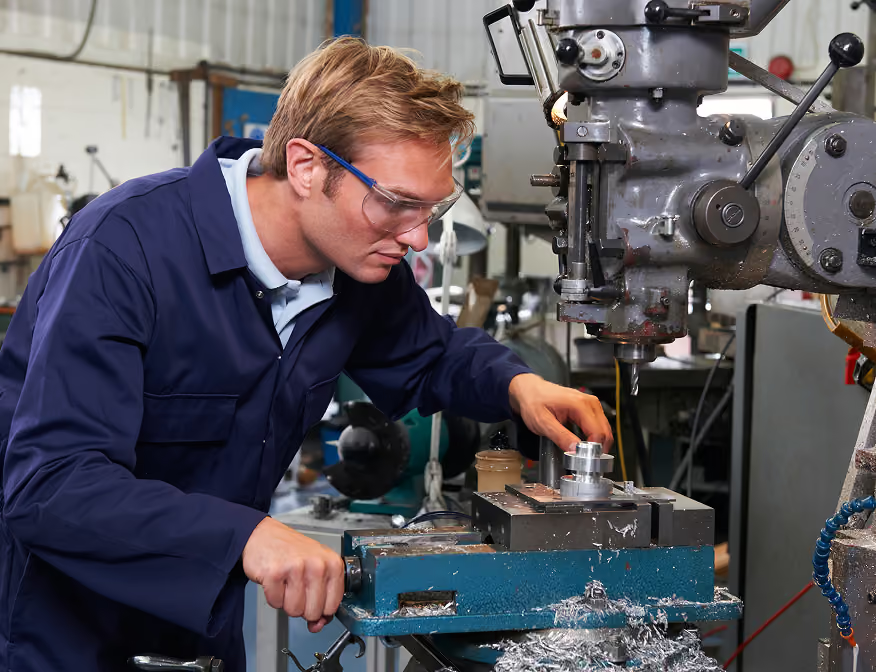
Machinist
Career Snapshot:
Wage Text Here
per year*
Entry to Senior Level
Manufacturing & Industrial Systems
*Estimates are not to be used as fact. Based on publicly available sources.
The Path to Becoming
a(n)
Machinist
Step 1
Earn
a(n)
High School Diploma or GED
Step 2
Earn a Postsecondary Certificate
Required Training:
Standards Occupational Classifications (SOC) code
SOC 51-4041
SOC Code
Training Programs and Resources:
Step 3
Find a position or apprenticeship
Required Training:
This career typically involves
More than 1 year on-the-job training
Find your next role
Related Positions:
Daily Tasks
A Day in the Life
As
a(n)
Machinist
you can expect to perform these tasks frequently:
Required skills:
What It Takes
Machinist
often have these skills:
Operation and Control
-
Controlling operations of equipment or systems, including tools, machinery, and processes.
Critical Thinking
-
Using logic and reasoning to identify strengths and weaknesses of solutions and decide the best approach.
Operations Monitoring
-
Watching gauges, dials, or display screens to make sure a machine or system is working correctly.
Active Listening
-
Giving full attention to what others are saying, taking time to understand, and asking questions as appropriate.
Complex Problem Solving
-
Identifying complex problems and reviewing related information to develop and evaluate options and implement solutions.
Coordination
-
Adjusting actions in relation to others' actions and working effectively with team members.
Quality Control Analysis
-
Conducting tests and inspections to evaluate quality or performance of products, services, or systems.
Troubleshooting
-
Determining causes of operating errors and deciding what to do about them.
Find careers that fit your skillset
Career Outlook
3104
Employees in
2022
3191
Employees in
2027
+
3%
Projected
Growth Rate
352
Annual Projected
Job Openings
Related Occupations
Other paths to consider:
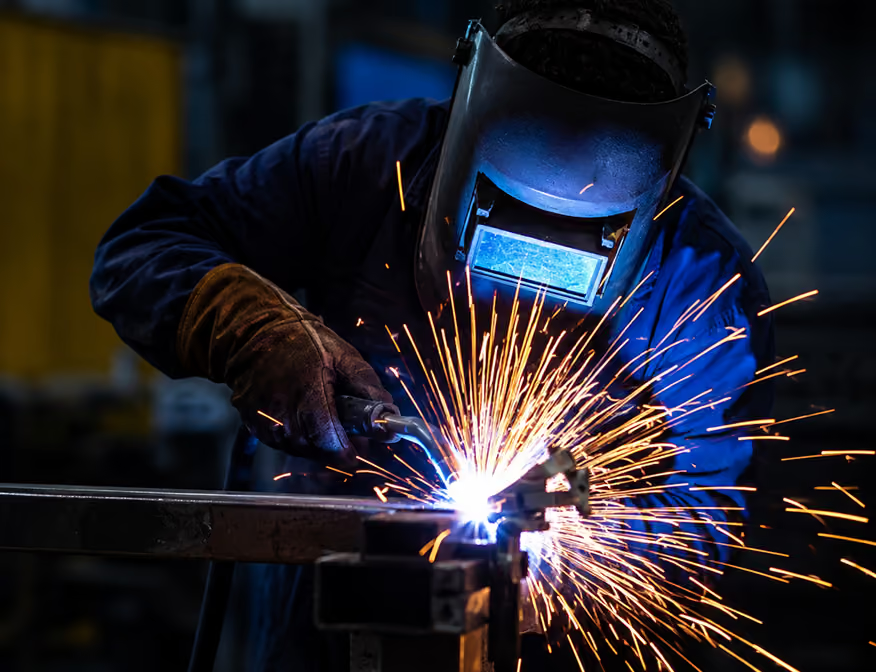
Welder
Wage Text
Entry to Senior Level
Manufacturing & Industrial Systems
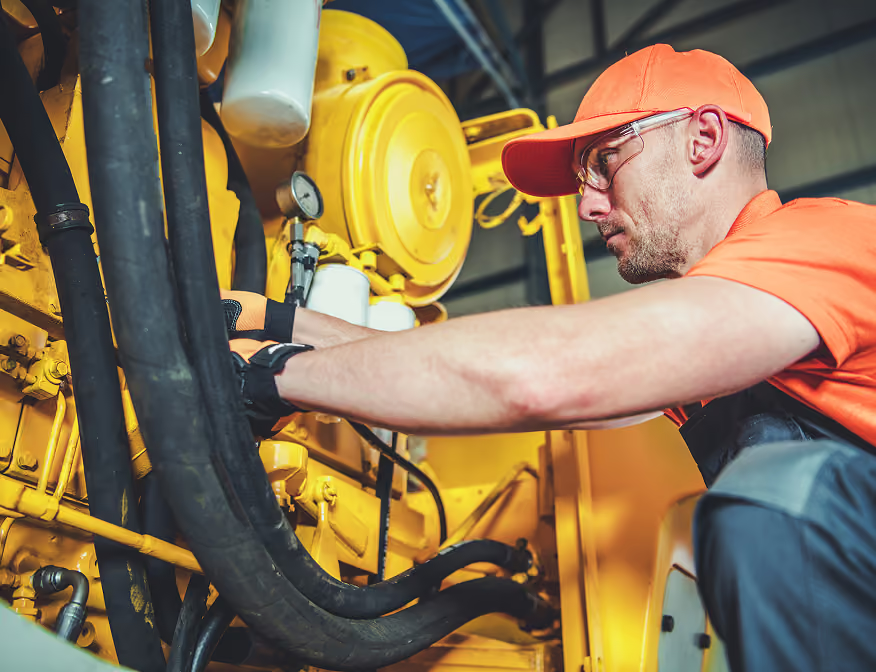
Maintenance & Mechanical Repairer
Wage Text
Mid Level

Electronics & Electrical Technology
Wage Text
Entry to Senior Level
Manufacturing & Industrial Systems
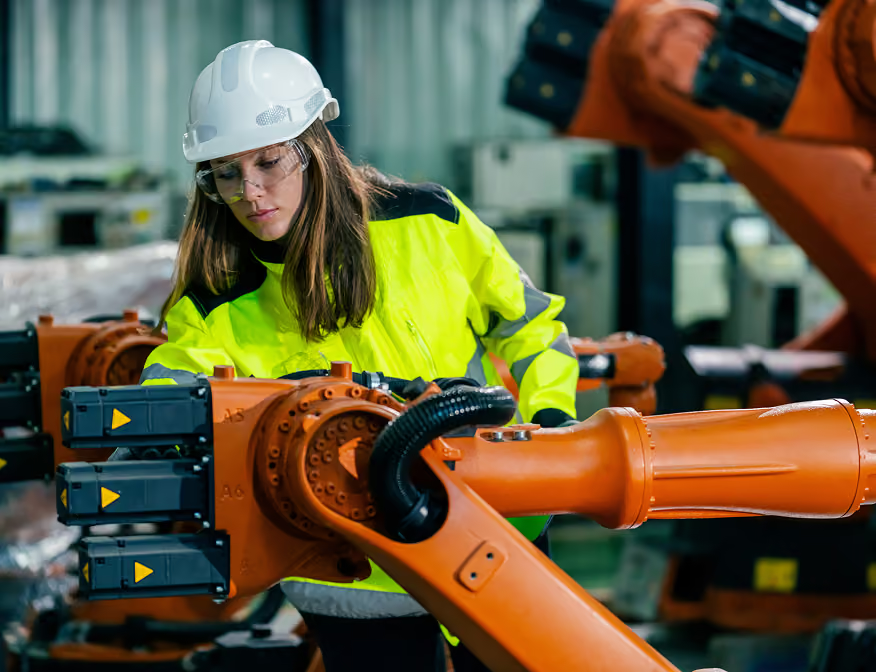
Industrial Machinery Mechanics
Wage Text
Mid to Senior Level
Manufacturing & Industrial Systems

Civil Engineering Technologists and Technicians
Wage Text
Entry to Mid Level
Engineering, Design, & Technology
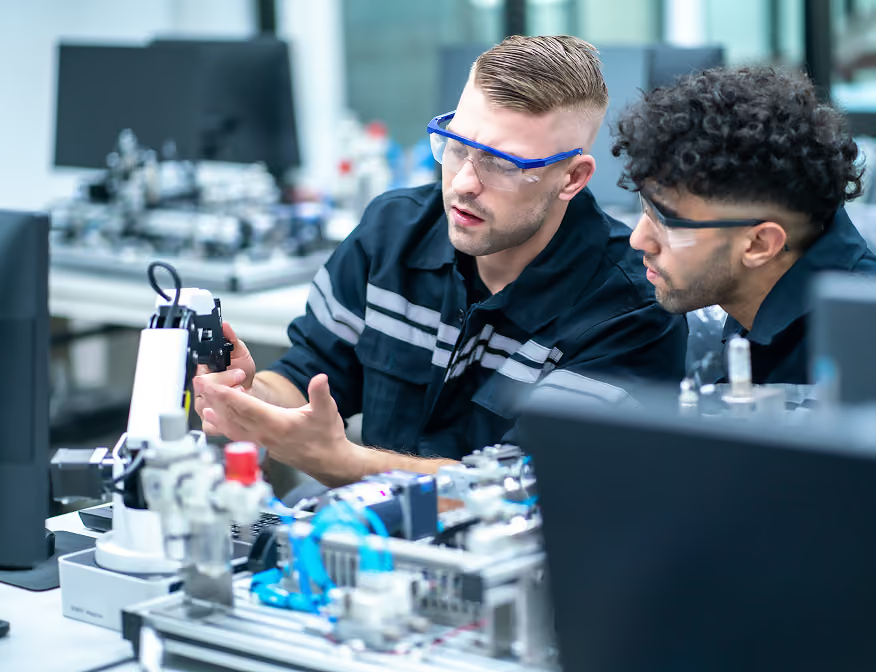
Mechanical Engineering Technologists and Technicians
Wage Text
Entry to Mid Level
Engineering, Design, & Technology
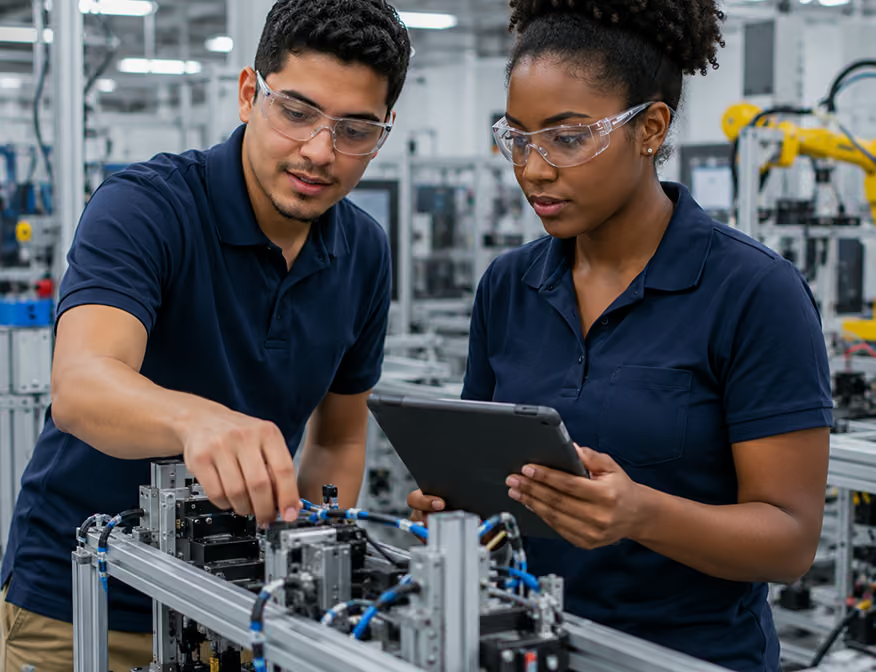
Industrial Engineering Technologists and Technicians
Wage Text
Entry to Mid Level
Engineering, Design, & Technology
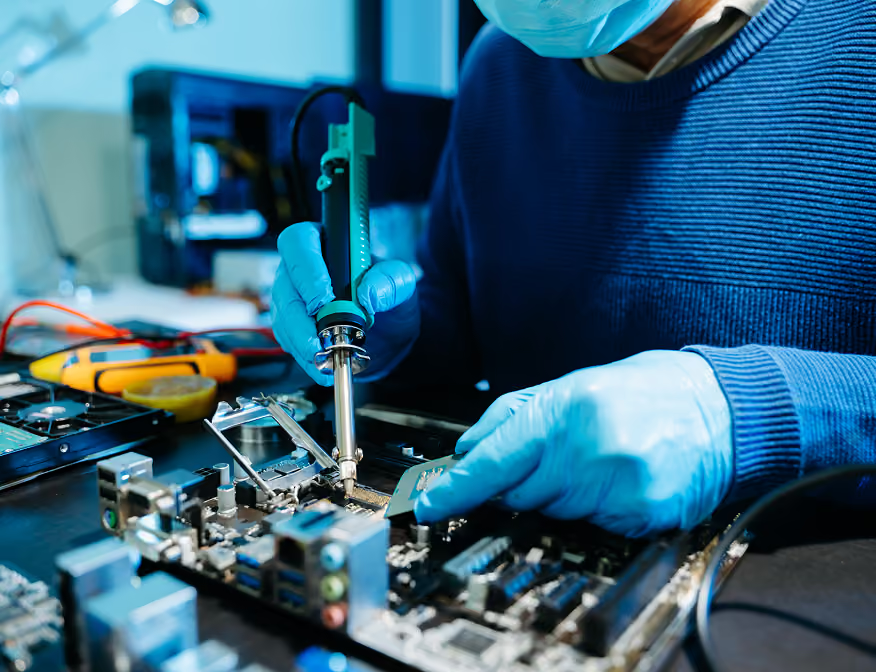
Electrical and Electronic Engineering Technologists and Technicians
Wage Text
Entry to Senior Level
Engineering, Design, & Technology
Need help narrowing it down?
Learn more