Engineering technicians support engineers by building, testing, installing, and maintaining electrical and electronic systems. In the energy and electrification space, they work on power systems, battery storage, EV infrastructure, and grid equipment to ensure everything operates safely and efficiently.

Civil Engineering Technologists and Technicians
Career Snapshot:
Wage Text Here
per year*
Entry to Mid Level
Engineering, Design, & Technology
*Estimates are not to be used as fact. Based on publicly available sources.
The Path to Becoming
a(n)
Civil Engineering Technologists and Technicians
Step 1
Earn
a(n)
Associate degree (AA, AS)
Field of Study:
In electrical engineering technology or related field
Resources:
No additional resources
Step 2
Earn a Postsecondary Certificate
Required Training:
Standards Occupational Classifications (SOC) code
SOC 17-3022
SOC Code
Training Programs and Resources:
Step 3
Find a position or apprenticeship
Required Training:
This career typically involves
1 year on-the-job training
Find your next role
Career Progression:
Entry level: 0–2 years (technician roles)
Early Career: 2–5 years (independent technician work)
Mid-level: 5–10 years (advanced or lead technician roles)
Related Positions:
Daily Tasks
A Day in the Life
As
a(n)
Civil Engineering Technologists and Technicians
you can expect to perform these tasks frequently:
Required skills:
What It Takes
Civil Engineering Technologists and Technicians
often have these skills:
Technical Systems Knowledge
-
Understanding the components, functions, and interrelationships of complex technical systems.
Troubleshooting
-
Determining causes of operating errors and deciding what to do about them.
Repairing
-
Repairing machines or systems using the right tools and technical knowledge.
Critical Thinking
-
Using logic and reasoning to identify strengths and weaknesses of solutions and decide the best approach.
Complex Problem Solving
-
Identifying complex problems and reviewing related information to develop and evaluate options and implement solutions.
Systems Analysis
-
Determining how a system should work and how changes in conditions, operations, and environments will affect outcomes.
Operations Monitoring
-
Watching gauges, dials, or display screens to make sure a machine or system is working correctly.
Technical Communication
-
Communicating complex technical information clearly to both technical and non-technical audiences.
Coordination
-
Adjusting actions in relation to others' actions and working effectively with team members.
Find careers that fit your skillset
Career Outlook
590
Employees in
2023
630
Employees in
2033
+
6.80%
Projected
Growth Rate
600
Annual Projected
Job Openings
Related Occupations
Other paths to consider:
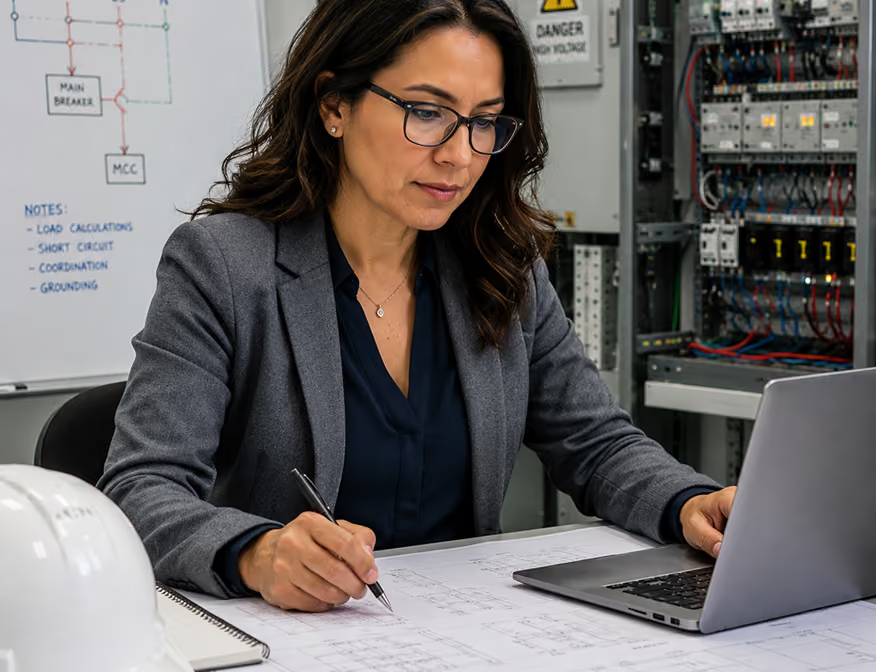
Electrical Engineer
Wage Text
Mid to Senior Level
Engineering, Design, & Technology

Manufacturing Engineers
Wage Text
Entry to Senior Level
Manufacturing & Industrial Systems

Battery Energy Engineers
Wage Text
Mid to Senior Level
Energy, Utilities, & Infrastructure
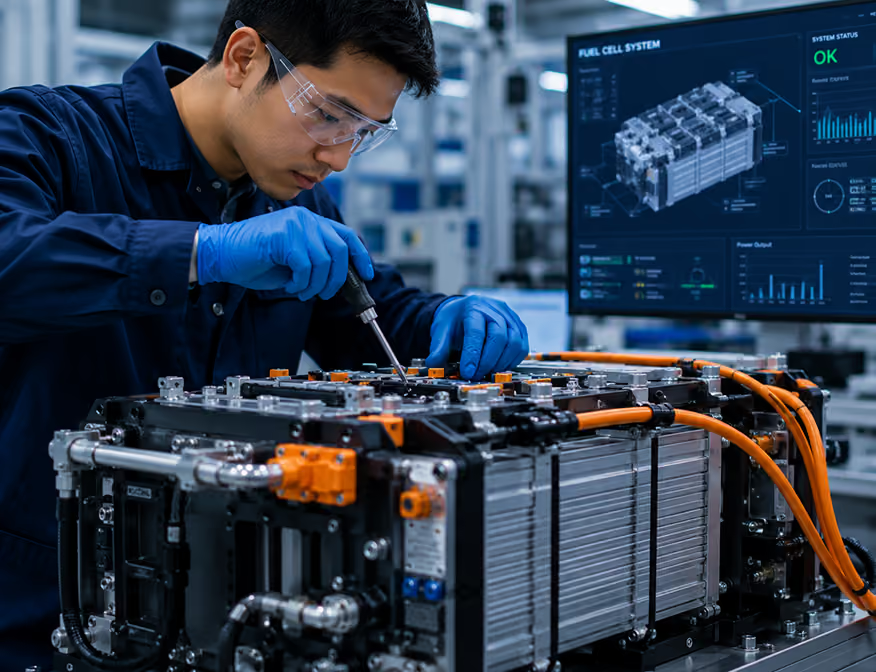
Battery Fuel Cell Engineers
Wage Text
Mid to Senior Level
Energy, Utilities, & Infrastructure
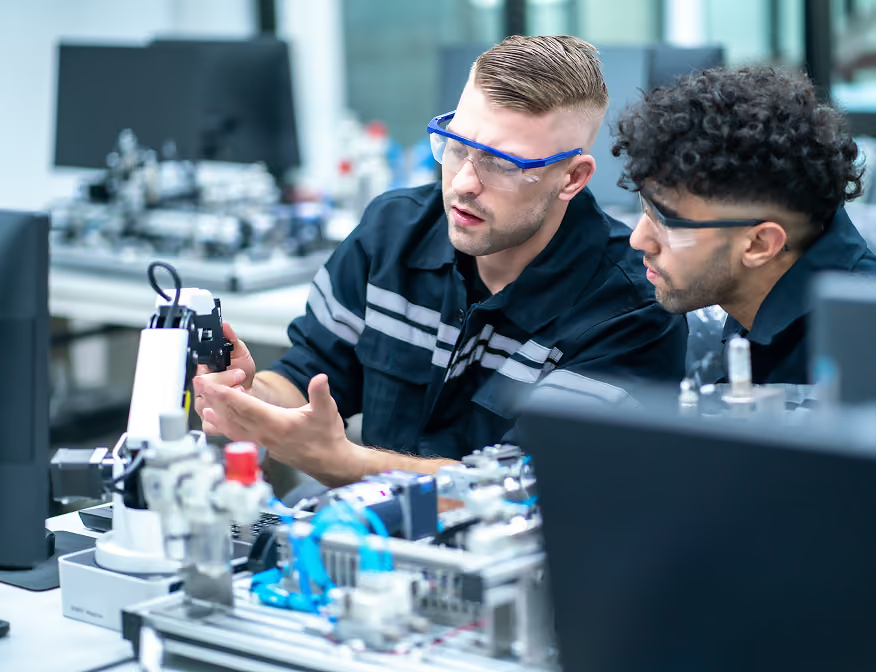
Mechanical Engineering Technologists and Technicians
Wage Text
Entry to Mid Level
Engineering, Design, & Technology

Machinist
Wage Text
Entry to Senior Level
Manufacturing & Industrial Systems

Welder - Machine Operators
Wage Text
Entry to Senior Level
Manufacturing & Industrial Systems
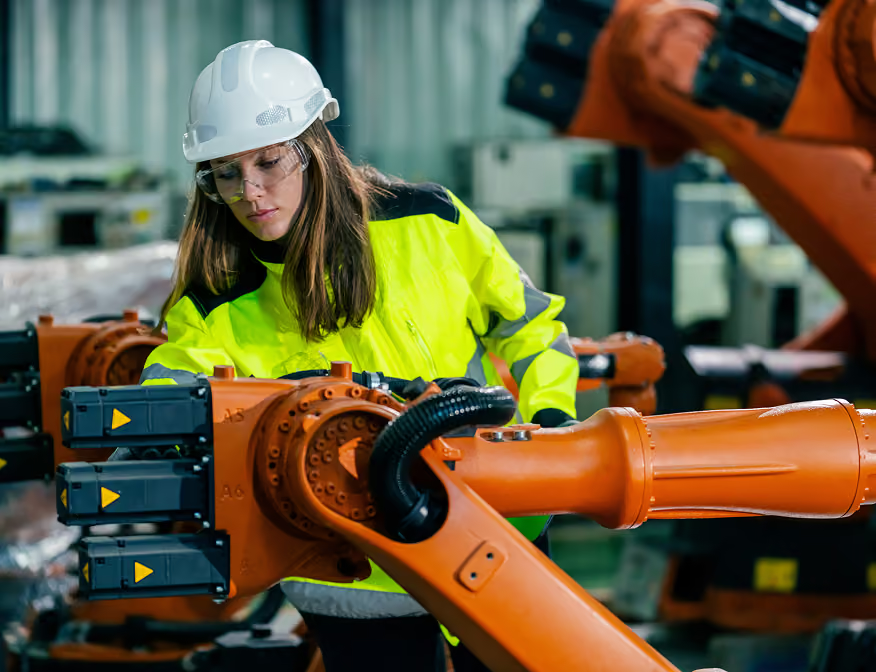
Industrial Machinery Mechanics
Wage Text
Mid to Senior Level
Manufacturing & Industrial Systems

Energy Systems Analyst
Wage Text
Entry to Senior Level
Energy, Utilities, & Infrastructure

Surveying & Mapping Technician
Wage Text
Entry to Mid Level
Engineering, Design, & Technology
Need help narrowing it down?
Learn more